
Most Restaurants Need Three Good Instagram Posts a Week
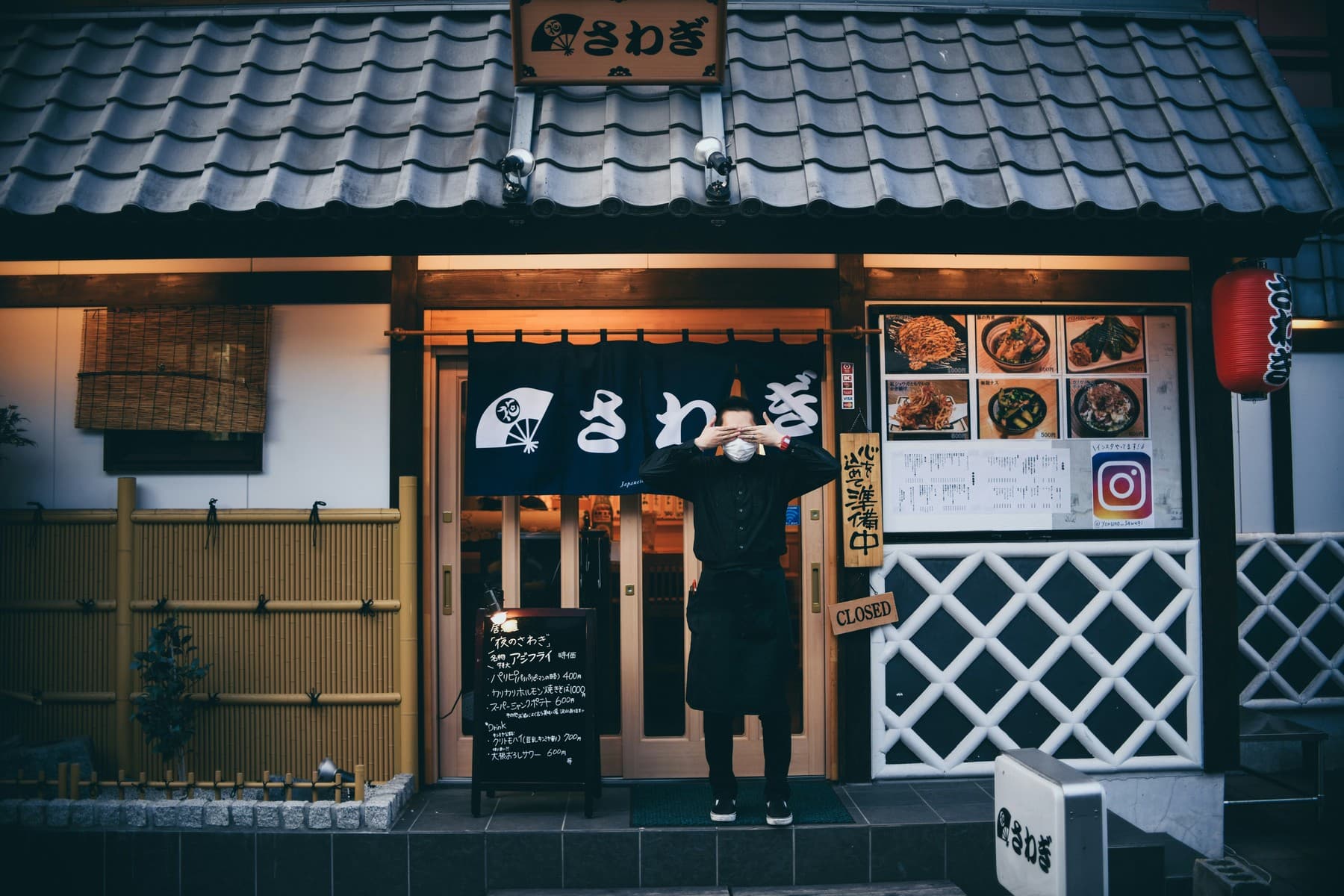
Most restaurants should publish three to four Instagram feed posts a week. Three strong posts are enough to stay active, show what is happening and give potential diners fresh evidence to consider. Stories can cover the lighter daily updates that do not need a permanent place on the grid.
A restaurant can produce something worth sharing every day, from a new delivery of fish to the first table filling up at lunch. That does not mean every moment deserves a polished feed post. A workable Instagram schedule gives the best moments room to breathe and protects the team from treating every service like a photo shoot.
Start with three
For most independent restaurants, three feed posts a week is a sensible starting point. Buffer's analysis of more than two million Instagram posts found that three to five weekly posts produced the largest practical jump in reach and follower growth compared with posting once or twice.1 Sprout Social's restaurant guidance lands in a similar place, recommending three to four main-feed posts each week, supported by more frequent temporary content.2
The number matters because it creates enough repetition for someone to recognise the restaurant without demanding a daily production cycle. A person might see Tuesday's lunch dish, Thursday's kitchen Reel and Saturday's dining-room carousel before deciding to book. Each appearance adds a different piece of evidence, which is more useful than repeating the same table shot seven days in a row.
Three posts also fit the way a small restaurant actually operates. A chef, owner or front-of-house manager can usually identify three moments worth documenting across a week without staging extra work for Instagram. The content can come from prep, service, a menu change, a supplier visit, a customer favourite or the people behind the room.
A minimum schedule still needs regularity. Posting five times one week and then disappearing for three weeks makes the account feel unattended, even if the individual posts are excellent. Hootsuite's current guidance also recommends three to five weekly Instagram posts and stresses that the right frequency has to remain sustainable for the team producing them.3
Give every post a job
A restaurant feed becomes repetitive when the schedule is built around quantity alone. Twelve close-ups of plated dishes may look appetising, yet they leave basic questions unanswered: what does the room feel like, who cooks the food, when should someone visit and what makes this place different from the restaurant down the road? Three weekly posts work because each one can carry a separate part of the decision.
A useful starting pattern is one appetite post, one proof post and one planning post. The appetite post creates desire through a dish, pour, bake or serving moment. The proof post shows the people, process, ingredients or atmosphere that make the restaurant credible, while the planning post gives someone a reason to act through a special, booking prompt, opening update or weekend menu.
That pattern can be expressed through several Instagram formats. The choice depends on what the restaurant can capture well during a normal week. Each format should reveal something a still menu description cannot:
The format should follow the material already available. A beautiful still photograph does not need to become a Reel simply because video is receiving attention, and a lively service clip should not be flattened into a poster graphic. Instagram's own Best Practices hub now gives creators personalised guidance on creation, reach and posting frequency, which is a useful reminder that account-specific evidence should eventually replace generic benchmarks.4
This approach also reduces the temptation to fill gaps with generic food graphics or synthetic images that do not resemble the restaurant. Diners are trying to assess a real place, so the strongest source material is usually the food, staff and setting that already exist. Asteris applies this principle through its Instagram content tools for restaurants, using a restaurant's own photos and videos to help plan and prepare posts while keeping approval with the business.
Stories carry the daily rhythm
Feed frequency and Story frequency should be treated differently. Feed posts need enough substance to remain useful when someone visits the profile next week or next month. Stories are better suited to today's soup, a late table, a tray coming out of the oven, a weather-dependent terrace update or a quick look at Friday-night service.
One or two Stories on an active day is often enough. Hootsuite's Instagram experiment found stronger engagement from one to two Stories a day than from five or more, although every restaurant should test this against its own audience.5 That supports a lighter rhythm where the restaurant shares what is genuinely happening instead of uploading a long chain of near-identical clips.
Stories can also absorb the operational information that would clutter the main feed. A fully booked notice, an amended closing time or a last-minute table belongs where regular followers will see it quickly. Important recurring information, such as menus, private dining, accessibility details or booking instructions, can then be saved into Highlights.
This division makes the feed more deliberate without making the account feel quiet. Three feed posts can represent the restaurant at its best, while Stories show that the place is active between those posts. The result resembles the customer experience more closely because a restaurant has both lasting qualities and small daily changes.
Match posts to service
Posting frequency is only useful when the timing supports a real restaurant objective. A lunch-led cafe, a dinner restaurant and a weekend food truck should not share the same calendar. Their customers make decisions at different times, and their teams have different moments when content can be captured without disrupting service.
Sprout Social's restaurant guidance recommends late morning for lunch decisions and mid-afternoon for people considering drinks or dinner.2 Its wider 2026 UK analysis found strong Instagram engagement across weekday evenings, based on 21.6 million tracked UK interactions.6 These benchmarks are starting points, since a restaurant's own Instagram Insights will show when its particular followers are most active.
The posting time should also match the content. A Reel of tonight's pasta special has more commercial value before the evening rush than after the kitchen closes. A slower story about the baker, grower or supplier can work earlier in the week when the post has time to circulate and build familiarity.
A practical three-post restaurant week can give each service period a clear content role. It also prevents three similar food photographs from appearing back to back. One workable version looks like this:
This calendar is not a rigid rule. A restaurant with a major event, seasonal menu launch or busy festival week may have enough good material for five or six feed posts. A quieter week may call for two strong posts and several useful Stories, provided the account returns to its normal rhythm rather than drifting into a long silence.
Measure decisions, not applause
The correct posting frequency cannot be found by counting likes alone. Restaurants need signals that connect Instagram activity with discovery and intent, such as profile visits, direction taps, website clicks, booking-page visits, saves, shares and direct messages. Comments can be valuable, but a saved menu carousel may indicate more future intent than a quick compliment under a dessert photograph.
Review performance in blocks of four to six weeks rather than changing the schedule after every post. Three weekly posts provide enough material to compare formats and subjects while keeping the test manageable. Record what was posted, when it went live, which job it performed and what action followed.
The most useful questions are operational. Did preparation Reels bring more non-follower reach than finished-dish photographs? Did Thursday posts lead to more profile activity before the weekend, and did Stories about late availability produce direct messages?
Frequency should increase only when the restaurant can maintain the quality of the source material and the speed of response. Publishing six posts a week creates extra comments, messages and customer questions that someone still needs to handle. More output makes sense when it produces useful demand and the team can support the conversation around it.
Three posts you can maintain
A good restaurant Instagram account should feel current when a new customer checks it. That requires recent food, a visible team, a clear sense of atmosphere and enough practical information to make the next step easy. Three well-chosen feed posts a week can provide that evidence without asking the restaurant to behave like a media company.
The weekly plan should begin inside the business rather than inside a blank content calendar. Look at the menu, bookings, deliveries, events and service pattern, then choose the three moments most worth showing. Capture several short clips and photographs during those moments so one service can supply material for a Reel, a carousel and a few Stories.
Once that rhythm is stable, the restaurant can test a fourth post. The decision should come from a real surplus of useful material or a clear business need, such as filling a quiet lunch period or promoting a new private dining offer. A schedule earns its place when the team can repeat it and the customer learns something valuable from it.
Sources
Footnotes
Restaurant-specific recommendations for feed frequency, timing and content, Sprout Social↩↩2
Instagram's official hub for personalised guidance on creation, engagement and reach, Instagram for Creators↩
UK posting-time analysis based on more than 230 million social engagements, including 21.6 million Instagram engagements, Sprout Social↩