
The Salon Afternoon That Fills the Feed
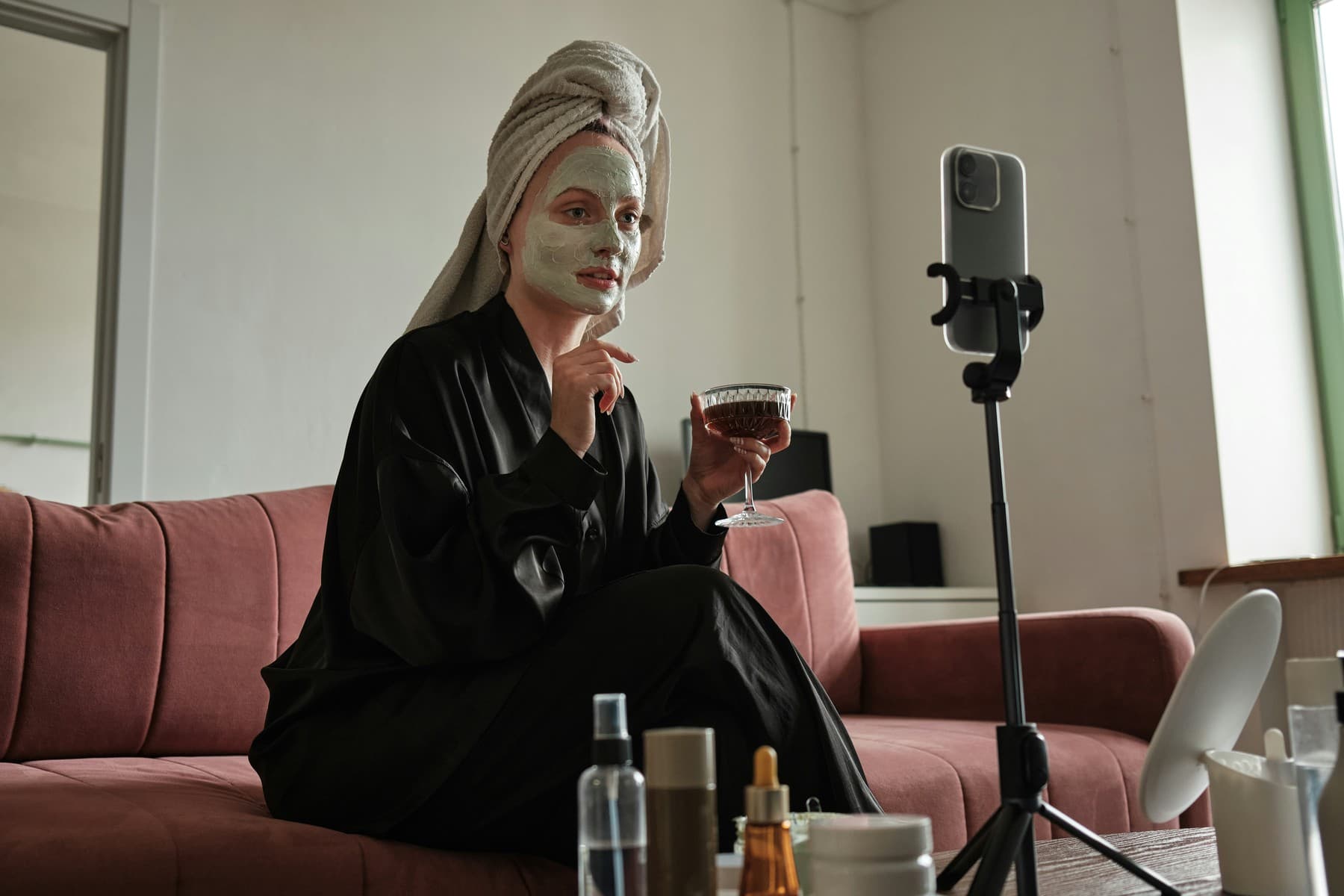
A salon can create a month of Instagram content in one afternoon by planning one capture block around services, before-and-after moments, staff expertise, behind-the-chair process, client questions, and booking reminders. The aim is to collect enough original proof for Reels, carousels, Stories, and posts.
Most salons do not have a content problem in the way they think they do. They have clients in the chair, colour bowls at the station, stylists explaining maintenance, finished looks walking out the door, and small moments of trust happening all day. The real problem is that those moments disappear before anyone has turned them into usable Instagram material.
The salon already has the material
A salon is unusually well suited to Instagram because the work is visible, personal, and local. Hair, nails, brows, lashes, skin, and beauty treatments all have a before, a process, an after, and a client decision behind them. That gives the salon more raw content than most small businesses, but only if someone captures it before the next appointment takes over.
The mistake is treating Instagram content as a separate creative project. That is how a simple post becomes a blank page, then a task for Sunday evening, then a source of guilt. A better system treats the salon afternoon as a controlled capture session where the team collects ingredients, not finished posts.
Instagram also rewards content differently across surfaces, which matters for how salons plan. Feed, Stories, Reels, and Explore are ranked by different systems, and Instagram has explained that it uses different ranking processes depending on how people use each part of the app.1 That means a salon should not treat every post as if it has the same job. A salon content afternoon should therefore gather enough material for discovery, trust, reminders, and conversation, rather than making twenty versions of the same finished hair photo.
This matters because a finished look does only one job. It shows the result, but it rarely explains the judgement behind the result, the maintenance involved, the client concern that started the appointment, or the reason someone should book now rather than save the idea and forget it. One afternoon can produce much more than a grid of after shots if the team captures the decision-making around the work.
One afternoon needs a shot list
The afternoon should be run like a short production block, not a chaotic request for "content". Pick a half day when the diary has a useful mix of services, ideally one colour appointment, one cut or restyle, one maintenance service, and one quick treatment or retail moment. The point is not to interrupt the salon, but to make content capture predictable enough that stylists know what is being asked of them.
Start with five content buckets and assign each one to a format. Proof is for before-and-after moments, client reactions, reviews, and finished looks. Education is for maintenance advice, product use, colour care, consultation questions, and myth-busting. Personality is for staff, salon rituals, tools, playlists, and the details clients recognise when they walk in.
The other two buckets are process and booking intent. Process content shows the work behind the result, such as sectioning, toning, blow-drying, nail prep, treatment timing, colour mixing, or consultation notes without exposing private client details. Booking intent content turns attention into action, using posts about last-minute appointments, seasonal services, new client offers, patch-test reminders, or what to ask for when booking.
The capture list should be short enough that the team can actually follow it. It should also be specific enough that nobody has to invent ideas while a client is waiting. A practical list for the afternoon might look like this:
The discipline is to capture the same service in more than one way. A colour appointment can become a Reel, a carousel, a Story sequence, a maintenance tip, a booking prompt, and a staff expertise post. The content does not feel repetitive because each version answers a different client question.
Proof beats polish
Salon owners often assume their Instagram needs to look more polished. That is partly true, because poor lighting, messy crops, and inconsistent visual style can make skilled work look weaker than it is. But polish without proof is a problem, especially when every other salon is posting glossy curls, colour melts, neutral interiors, and the same trending audio.
Proof is more useful because it lowers booking anxiety. A client deciding whether to book a colour correction, fringe, brow lamination, curly cut, balayage, nail art appointment, or skin treatment is rarely looking for vague inspiration alone. They want to know whether the salon understands the service, whether the result looks good in real life, and whether the team can explain the maintenance honestly.
That is why the best salon content often includes context. A caption that says "soft brunette refresh" is pleasant but thin. A stronger post explains that the client wanted lower maintenance colour before a holiday, that the stylist kept depth at the root, and that the aftercare plan protects shine without forcing salon visits every few weeks.
This also fits current Instagram guidance from established marketing sources. Buffer's 2026 frequency analysis points to three to five Instagram posts per week as a practical sweet spot, with higher posting frequency associated with more reach per post but diminishing returns beyond that range.2 That is a helpful correction for salon owners who feel pressure to post constantly. For salons, the useful question is not "How do we post every day?", but "How do we create enough good proof to show up consistently without exhausting the team?"
A month of salon content can be built around roughly sixteen to twenty feed posts, supported by Stories. That is enough to keep the salon visible without pretending the receptionist, owner, or senior stylist can become a full-time content department. It also gives the team room to repeat themes, because repetition is how local clients remember what the salon is known for.
Reels find strangers, carousels reassure clients
The mistake many salons make is choosing a format because it is fashionable. Reels are not automatically better than carousels, and carousels are not automatically more strategic than photos. The better question is what job each format should do in the salon's month.
Reels are useful for reach because they can show process, motion, and personality quickly. HubSpot's 2026 Instagram Marketing Report says Reels are widely used by marketers and deliver strong reach, impressions, likes, and shares in its survey data.3 That does not mean every salon Reel needs to chase trends. For a salon, Reels are a good home for before-and-after moments, stylist explanations, product demonstrations, appointment day snippets, and satisfying process clips.
Carousels are better when a client needs to slow down and understand something. A carousel can explain "five things to know before going copper", "what to ask for if you want expensive-looking brunette", or "how to make your gel manicure last longer". It can also turn a consultation question into a saveable guide, which matters because a client may not book the first time they see the post.
Stories should not be treated as leftovers. They are the place for daily presence, soft selling, appointment gaps, polls, reminders, staff availability, and quick social proof. Instagram professional accounts can use insights to review content performance, so the salon can see which formats are producing reach, replies, profile visits, and other signals rather than guessing from likes alone.4
A month planned from one afternoon could use four repeatable weekly patterns. Monday can show proof from a service, Wednesday can teach one client decision, Friday can introduce a booking prompt, and Stories can carry the human rhythm between posts. That pattern is simple enough to maintain, but varied enough that the feed does not become a wall of identical before-and-after posts.
The caption is the consultation
The caption should sound like the stylist has stepped out from behind the chair to explain what happened. This is where many salon posts fall flat, because the photo shows skill but the words do not carry the trust. "Obsessed with this colour" tells the reader almost nothing, while a clear caption can make the work feel safer, more specific, and more bookable.
A good salon caption answers three questions. What did the client want, what did the stylist decide, and what should someone with similar hair, nails, skin, lashes, or brows know before booking? That structure turns the caption into a small consultation rather than a decorative line under a photo.
This is also where the salon's voice matters. Sprout Social's Instagram best practice guidance stresses original, human content, visual storytelling through Reels and carousels, and a consistent look that fits the brand.5 A caption should therefore carry the same feeling a client gets during the appointment. For a salon, brand voice is not a slogan, but the difference between a calm colour specialist, a playful nail bar, a luxury skin clinic, a curly hair expert, and a busy family salon.
AI can help here, but only if it is grounded in the salon's own work. A tool such as Asteris for beauty businesses can take the salon's original photos and videos, then help shape captions and plans around the business's real services and tone. The important line is that AI should help the salon explain its own judgement, not manufacture generic beauty content that could belong to any salon in any city.
Build the month before editing
The fastest way to waste a content afternoon is to start editing while the team is still capturing. Capture first, sort second, write third, schedule last. That order keeps the afternoon focused and stops the owner from disappearing into a caption while the best process clips are happening across the room.
After the afternoon, sort the material into a simple monthly board. Put the strongest before-and-after clips into week one and week three, because those posts carry proof. Put educational carousels between them, because they keep the feed from feeling like a portfolio with no advice. Put booking prompts near moments when clients are most likely to act, such as payday, school holidays, wedding season, bank holidays, or the week before a local event.
The month should include recurring formats that clients learn to recognise. Social Media Examiner has argued that recurring series can prompt people to return to a profile because the format becomes familiar.6 That habit is useful for local service businesses, because many followers need repeated reassurance before they book. For salons, that could be "Ask the colourist", "What we would book", "Three things we checked before the cut", "Aftercare Friday", or "One client concern, one stylist answer".
This is also the stage where the team should decide what not to post. Not every clip deserves the feed, and not every finished look needs a public caption. Some material is better for Stories, some is better saved for a seasonal theme, and some should be discarded because the lighting, consent, result, or message is not strong enough.
A month is a rhythm, not a folder
The goal is not to leave the afternoon with thirty perfect posts. That sounds efficient, but it often creates a flat feed where every post has the same energy. The better outcome is a month of sorted, approved, original material that can be shaped into a rhythm.
A salon's Instagram should behave like the business itself. Some posts should be polished because the finished result deserves care. Some should be practical because clients need help making decisions. Some should feel close to the salon floor because local businesses are built on familiarity, not distance.
This is why the best content systems protect the human part of the salon. Stylists should not have to become influencers, and owners should not have to write from scratch every night. The system should capture what the team already knows, then turn it into a visible record of taste, judgement, standards, and care.
One afternoon can fill the month when it is treated as a content harvest, not a performance. Capture the work, capture the thinking, capture the details clients ask about before they book. The feed then becomes what it should have been all along: a steady trail of reasons to trust the salon before someone ever sits in the chair.
Sources
Footnotes
Instagram's help page on account and content insights for professional accounts, Instagram Help Centre↩
Sprout Social's Instagram best practice guidance for 2026, Sprout Social↩
Social Media Examiner's discussion of recurring Instagram series and content hooks, Social Media Examiner↩